EZ911 Termites Control
ServicesService AreasTermite GuideAboutContact

Termite education

Drywood vs. subterranean termites

California homes face both. Each lives differently and needs a different treatment. Here's how to tell them apart and what to do.

Get free inspection

Side by side

How the two types compare

Drywood
Subterranean
Where they live
Drywood Inside the wood itself
Subterranean Underground, in the soil
Soil contact
Drywood Not needed
Subterranean Required (moisture)
Tell-tale sign
Drywood Frass (pellet droppings)
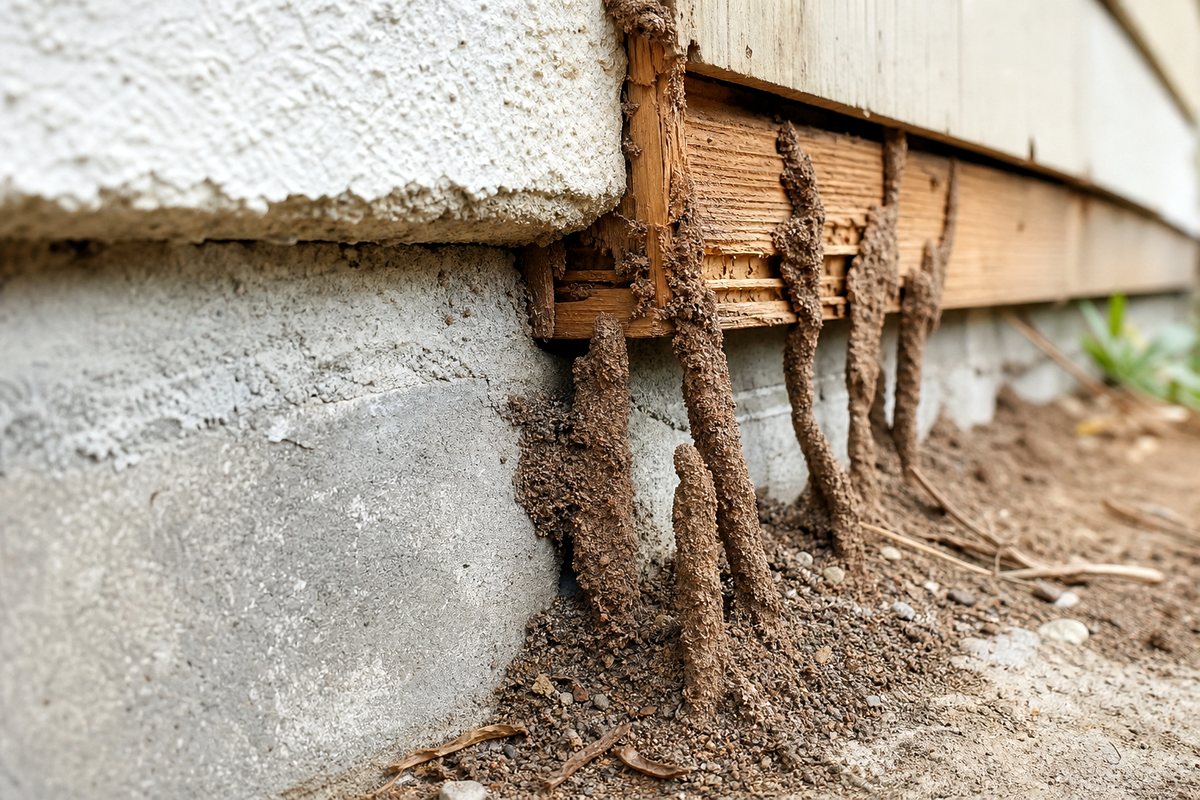
Subterranean Mud tubes on foundation
Colony size
Drywood Smaller, localized
Subterranean Very large, fast-growing
Common spots
Drywood Attics, framing, furniture
Subterranean Foundation, crawlspace, slab
Best treatment
Drywood Local treatment or tenting
Subterranean Soil treatment / trenching

Know your enemy

The two you'll meet in California

Most SoCal infestations are one of these two. Here's a closer look at each.

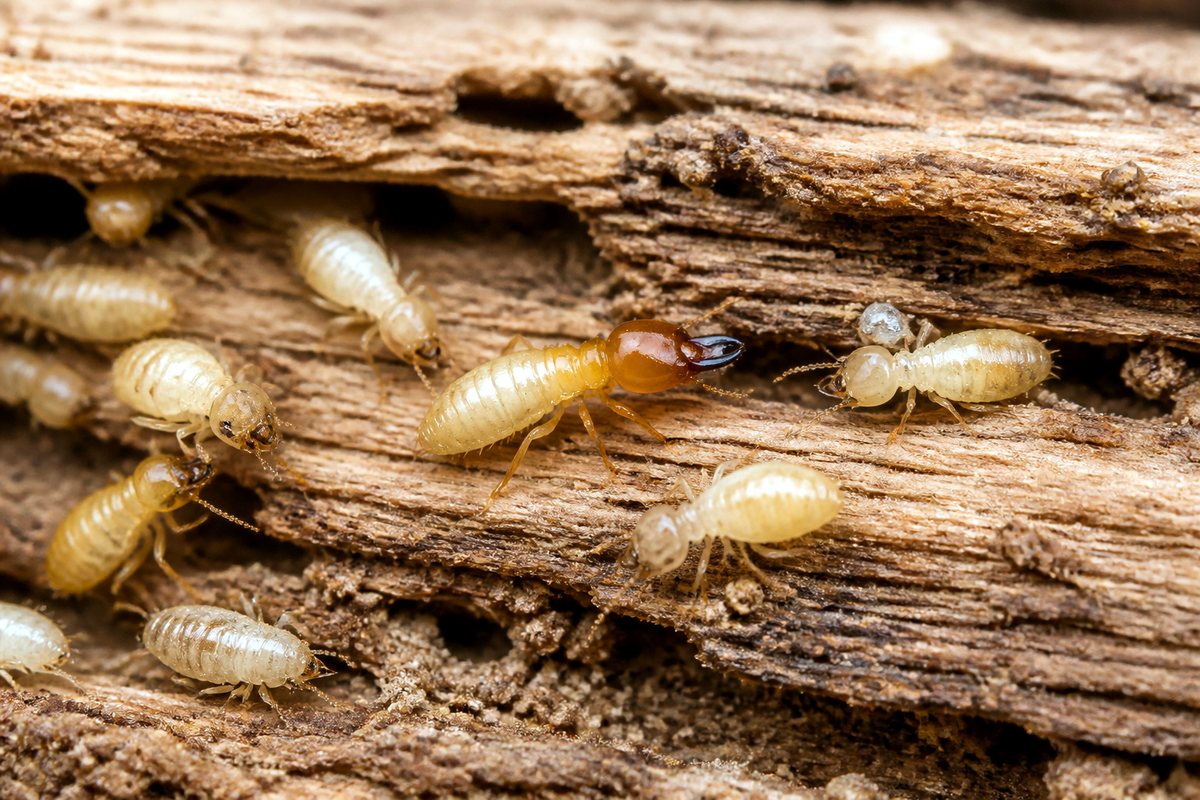
Lives inside the wood
Drywood

Lives inside the wood

No soil contact needed. Common in attics, framing, fascia and furniture.

  • Frass: small pellet droppings
  • Discarded wings near windows
  • Hollow-sounding wood
Lives underground
Subterranean

Lives underground

Needs moisture and soil contact. Builds mud tubes to reach your home's wood.

  • Mud tubes on the foundation
  • Large, fast-growing colonies
  • Extensive structural damage

Know the difference

Carpenter ant or termite?

The #1 mix-up homeowners make. Here's how to tell them apart.

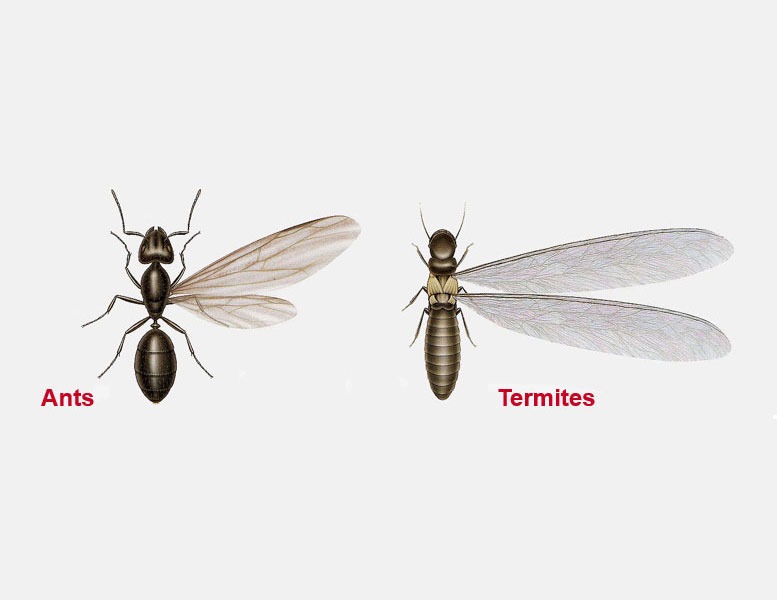
Winged carpenter ant vs. termite swarmer — elbowed vs. straight antennae, unequal vs. equal wings
Carpenter Ant
Termite (swarmer)
Antennae
Carpenter Ant Bent / elbowed
Termite (swarmer) Straight, bead-like
Waist
Carpenter Ant Narrow, pinched ("wasp waist")
Termite (swarmer) Broad, no waist (uniform body)
Wings
Carpenter Ant 4 wings, front pair longer (unequal)
Termite (swarmer) 4 equal-length wings, longer than body
Shed wings
Carpenter Ant Rarely piles up
Termite (swarmer) Discarded wings pile near windowsills
Wood
Carpenter Ant Does NOT eat wood, carves smooth galleries to nest
Termite (swarmer) EATS wood (cellulose)
Signs / frass
Carpenter Ant Sawdust-like shavings with insect parts
Termite (swarmer) Hard pellet frass (drywood) or mud tubes (subterranean)
Activity
Carpenter Ant Forages in the open
Termite (swarmer) Hides inside wood, avoids light

Not sure which you have? Get a free inspection. If it's termites, that's exactly what we do.

Treatment options

  • Drywood: local spot treatment
  • Drywood (widespread): fumigation / tenting
  • Subterranean: soil treatment & trenching
  • Both: wood repair after treatment
  • Follow-up to keep them from returning

Termite questions

Drywood & subterranean, answered

Not sure which you have? Call (562) 500-3921 for a free inspection.

Both are widespread in SoCal. Drywood termites are extremely common in coastal and inland homes; subterranean termites thrive wherever there's soil moisture against the structure.

Look for the tell-tale signs: small pellet-like frass means drywood; mud tubes running up the foundation mean subterranean. A free inspection confirms it for sure.

They can, if conditions invite them. That's why we repair damaged wood and give you follow-up guidance, and for widespread drywood, full fumigation clears the whole structure.

Every year or two is smart in Southern California, and always before buying or selling a home.

Not sure which termite you have?

Schedule your free inspection today, we'll identify it and tell you straight.

Get free inspection